Brickbats and Bouquets March 2026
March 13, 2026
1 min
The draft Manly Special Entertainment Precinct (SEP) is currently on exhibition. Have Your Say. It proposes external sound levels of up to 70 dB(A) in parts of the Manly CBD. Submissions close 9 March 2026. Once adopted, these sound settings may remain for years. This is the time to make your voice heard. https://yoursay.northernbeaches.nsw.gov.au/manly-special-entertainment-precinct
The draft SEP introduces four Sound Management Categories (MSC1–MSC4). Each category permits different external sound levels at different times of day. At the highest category (MSC1), external sound can reach 70 dB(A). Lower categories cascade down from that level.
In simple terms: If 70 dB is adopted as the maximum level for the highest category, it becomes the calibration point that cascades through the other sound categories. The proposal also modifies and removes some existing protections in the Manly Development Control Plan (DCP).
Currently venues with decks, balconies, verandas, any rooftop areas and any other external access thereto must close these space to patrons between the hours of 10pm to 8am. The SEP proposal intends to override these trading hours permitted in any outdoor dining approval or licence. No approval will be required to modify the hours to 2am in any outdoor dining approvals or licence if a business is trading within the hours outlined in this SEP Precinct Management Plan. There are no sound controls for the public open space.
The current 8,000 patron cap will be removed and the Liquor Accord would no longer be mandatory for venues operating the the SEP.
On the plus side trading hours would be able commence at 5am.
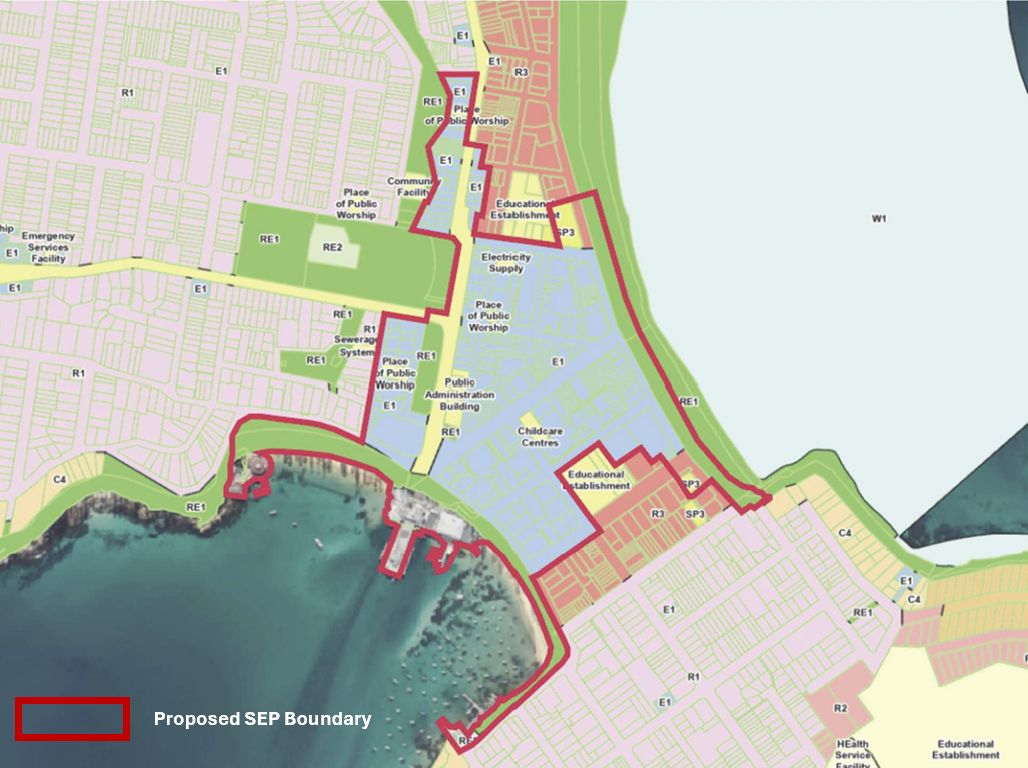
Around 8,000 residents live inside the proposed boundary, more directly adjacent to it. This affects people living on the Corso, Central Avenue, West & East Esplanade, Tower Hill, and surrounding streets.
Council describes the Sound Management Framework as a shared responsibility model, stating it takes a balanced approach to managing sound where the responsibility of mitigating and managing sound impacts in a vibrant night-time precinct is shared between emitters and receivers, that is, the venues and the residents. The key components of the sound management framework for the Manly SEP include fixed external and internal sound criteria for emitters, and sound attenuation requirements for new development in the precinct. In practice this will mean residents will need to close their windows and doors and rely on mechanical ventilation such as air conditioning.
If residents have a complaint about the sound they are experiencing as a ‘receiver’ then Council suggests residents to contact venues directly, suggesting that often venues, even if it is three adjacent venues, will address the issue with neighbours on the spot. Persistent issues or problems can be referred to Liquor &Gaming NSW, NB Council or the NSW Police a last resort.
Why Does 70 dB Matter? 70 dB is Intrusion, it’s not vibrancy The key issue isn’t vibrancy: It’s sleep.
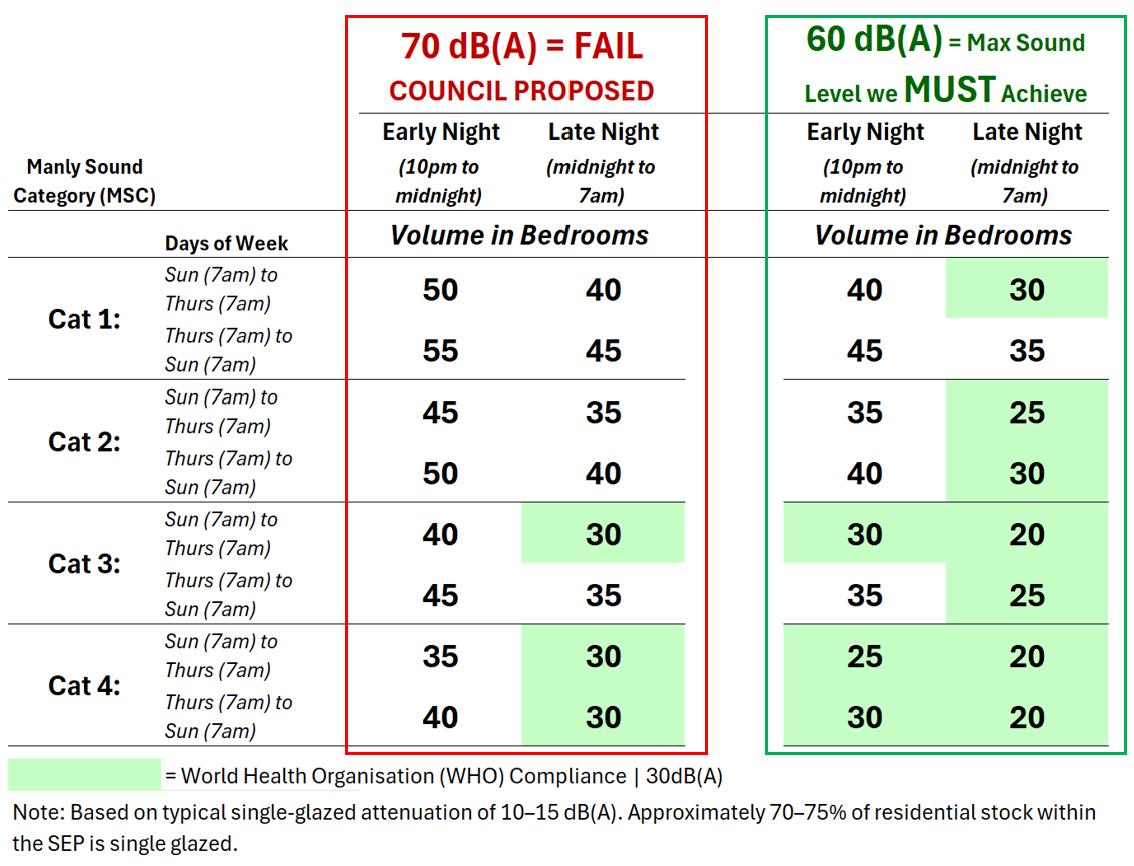
The World Health Organisation recommends that internal bedroom noise should not exceed 30 dB(A) during night time hours to protect sleep. Many Manly homes and older buildings in the SEP boundary have standard single glazing (approximately 70-75% of residential stock) Independent modelling undertaken by residents indicates that:
If 70 dB is adopted as the maximum external level, approximately 70–75% of homes within the boundary may exceed WHO internal sleep targets during early night periods. By contrast, a maximum of 55 to 60 dB materially improves internal outcomes, particularly between midnight and 7am. A difference of 10 dB is not small (twice as loud to the human ear) It changes whether thousands of residents can sleep properly.
Even at the same decibel level, amplified music behaves very differently from everyday noise. Low-frequency bass does not simply fade away. It travels through walls, it carries through floors and ceilings, it reverberates within buildings. Unlike steady background sound, such as noise from a truck or construction noise which can be intermitent, bass pulses and repeats. Over time, this disrupts sleep, increases stress, and reduces the ability to use living spaces normally. Residents in parts of Manly are already experiencing this effect.
Reducing the maximum calibration from 70dB to 60 dB (cascading across categories) would give residents immediate protection during the trial and prevents 70 dB becoming embedded as the benchmark along with containment of the sound within the venues.
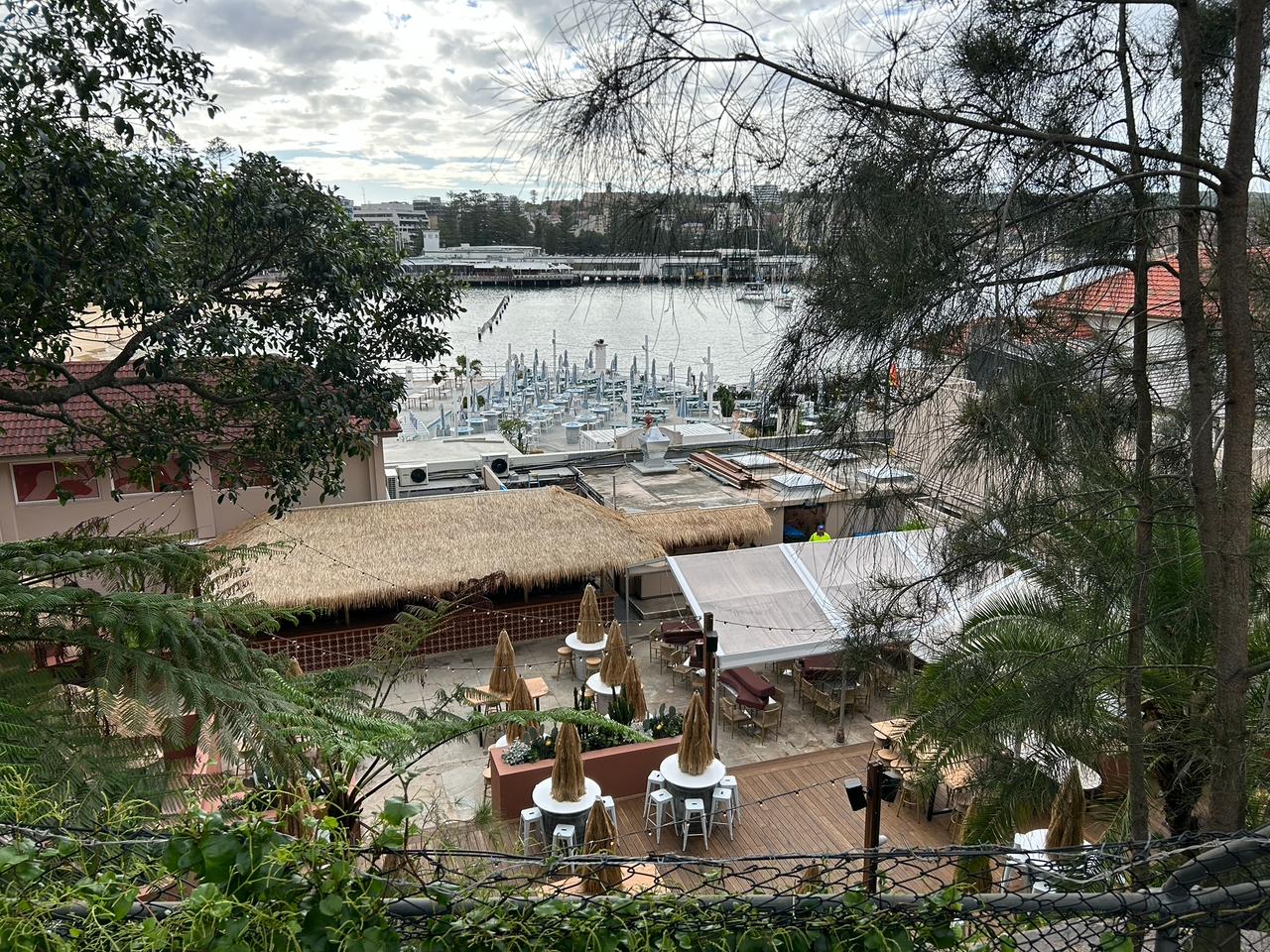
Two new venues now operating adjacent to each other with different sound systems and no sound attenuation
Quick Links
Legal Stuff
Social Media